
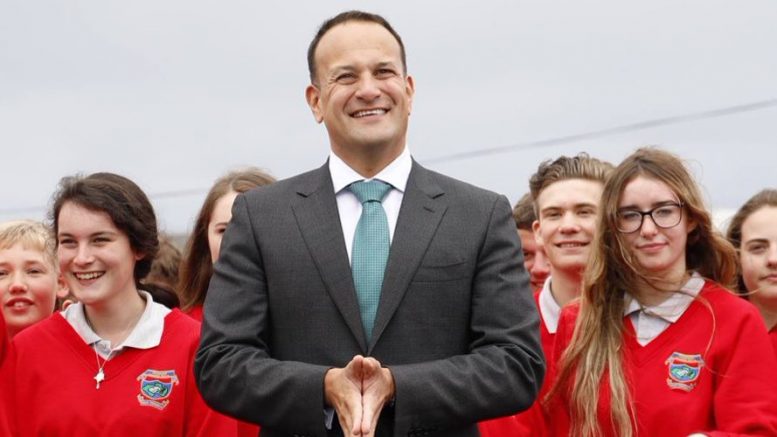
An Taoiseach Leo Varadkar, used a live address to the nation last night to inform us, in Churchillian style, that in 2 weeks time we may have 15,000 confirmed cases of coronavirus.
“We believe that number will rise to fifteen thousand cases or more by the end of the month”

This prompted WexfordToday to examine the numbers.
We are approximately 2 weeks behind Italy in terms of our exposure to the virus, therefore Ireland’s projected figures for the end of the month are a fair comparison with current figures for countries like Italy, Iran and Spain.
Italy – 60 million people 31,000 cases (516 cases per million)
Iran – 81 million people 16,000 cases (197 cases per million)
Spain – 46 million people 11,000 cases (239 cases per million)
An Taoiseach projected yesterday that when we reach the same stage, we will have a total of 15,000 cases, or 3,000 cases per million. This would mean a situation 3 times worse than the worst 3 countries combined per capita. Hopefully this won’t occur.
Having completed approximately 6,600 tests in a sample of people showing symptoms, there have been 292 cases discovered, representing a 4.42% positive rate. In order to find 15,000 positive cases on this basis, Ireland would need to test 340,000 people in the next two weeks. This represents an average of 25,000 tests per day, yet only 50,000 testing kits are due to be delivered on Thursday.
On the 31st of March, if Ireland has more than 3,000 cases, then we will be comparatively worse than Italy were at the same stage. 15,000 would represent a scenario 5 times worse than Italy.
Fianna Fáil Spokesperson on Health Stephen Donnelly told WexfordToday:
“COVID-19 is an unprecedented crisis and demands a whole of society response. The steps we take now, to slow down the spread of the virus, will determine its severity, but more importantly, if taken correctly, will save lives.
“We need to continue to follow the advice of the National Public Health Emergency Team and adhere to strict social distancing guidelines. If and when the Government decides to escalate our response we must continue to look out for those who are elderly and more vulnerable.
“We hope the Taoiseach’s projections are proved wrong but there is nothing to be gained by underestimating the nature of what is coming. He is taking his figures from the Chief Medical Officer and they are based on projected growth rates of 30% per day. This in turn is based on the best analytical modelling that’s currently available. As such we need to take the projections very seriously and plan accordingly.
While Fianna Fáil TD for Wexford James Browne added:
“The COVID-19 outbreak has led to measures being put in place which have essentially paused our economy. We need to respond to this comprehensively and compassionately.
“Childcare providers, restaurants, cafes and a whole host of other businesses have gone to the wall. People who last week had work and don’t this week are wondering how they will pay their mortgage, their rent and their bills. We need to have answers for them.
“In housing this means helping homeowners struggling by giving them mortgage holidays, it means landlords passing any breaks onto tenants. We need to address the obvious challenge of cramped conditions in emergency accommodation. We need to suspend commercial rates for struggling businesses and put pause on their loan repayments.“
“If this crisis reaches the levels which the Taoiseach has suggested then we need to pull out all the stops to keep our health service from crumbling.“
Why is An Taoiseach of the belief that the Ireland situation could be comparatively 5 times worse than Italy?
The tardiness of banning travel from affected areas may explain it. Direct flights from the worst affected areas in Italy continued to arrive in Ireland until Tuesday March 10th. Dubbed the “Corona Express”, multiple flights ran each day from Milan and Bergamo to Dublin, for almost 2 weeks, even after the Ireland v Italy rugby match was cancelled.
The lack of an All-Ireland approach to dealing with this problem may also be a contributory factor. Approximately 30,000 people cross the border in Ireland on a daily basis. Currently the Northern Ireland government are following a different approach to solving the problem, meaning that a significant number of border-crossers may not have been observing ‘social distancing’ measures to the same extent as those in the Republic.
One source of reassurance to the people of Ireland should be the commitment and dedication of front-line staff when faced with challenging conditions, as is so often the case in our hospital system. Their experiences of working long hours under pressure, to a high standard will be of crucial value in the coming weeks.
It may also be reassuring for the general public if officials provided updates on those who have recovered from the virus. Over 41% of people worldwide have already recovered from the virus, including some in Ireland. Hearing more about this may help reduce the anxiety levels of some. It is also frustrating that a county by county breakdown of cases has not yet been provided, despite promises to do so last week.
Minister Paul Kehoe stressed the importance of following the advice given by the HSE:
“Listen to the advice of the Chief Medical Officer and Department experts, follow the personal hygiene guidelines as set out by the HSE, and seek further advice from trusted sources such as HSE.ie and HPSC Ireland”.
Finally, Minister Kehoe added that
“the Government have put a Covid-19 financial support package in place to help those most affected by the outbreak”.


Be the first to comment on "An Taoiseach projects Ireland to be 5 times worse than Italy"