
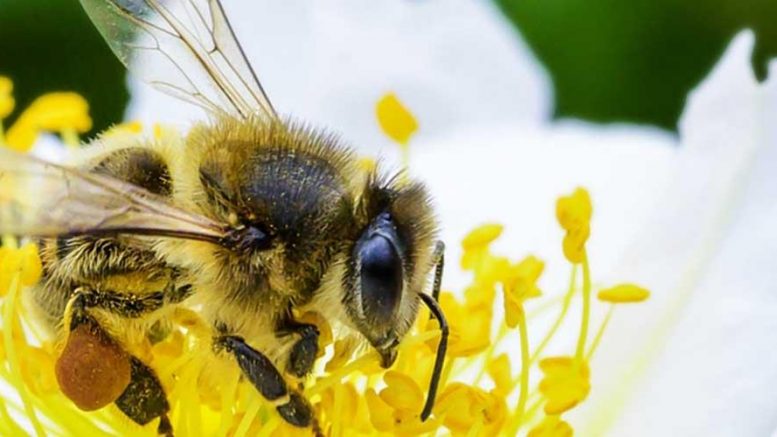
Bees and other pollinators, such as butterflies, bats, and hummingbirds, are increasingly under threat from human activities.
Pollination is, however, a fundamental process for the survival of our ecosystems. Almost 90% of the world’s wild flowering plant species depend, on animal pollination, along with more than 75% of the world’s food crops and 35% of global agricultural land.
To raise awareness of the importance of bees, the UN-designated today, the 20th of May as World Bee Day.
The aim is to protect bees, this would significantly contribute to solving problems related to the global food supply and eliminate hunger in developing countries.
We all depend on pollinators and it is, therefore, crucial to monitor their decline and halt the loss of biodiversity.
Almost 35% of invertebrate pollinators, particularly bees and butterflies, and about 17% of vertebrate pollinators, such as bats, face extinction globally.
How can we do more?
Individually by:
- planting a diverse set of native plants, which flower at different times of the year;
- buying raw honey from local farmers;
- buying products from sustainable agricultural practices;
- avoiding pesticides, fungicides or herbicides in our gardens;
- protecting wild bee colonies when possible;
- sponsoring a hive;
- making a bee water fountain by leaving a water bowl outside;
- helping sustaining forest ecosystems;
- raising awareness around us by sharing this information within our communities and networks; The decline of bees affects us all!
As beekeepers, or farmers by:
- reducing, or changing the usage of pesticides;
- diversifying crops as much as possible, and/or planting attractive crops around the field;
- creating hedgerows.
As governments and decision-makers by:
- strengthening the participation of local communities in decision-making, in particular, that of indigenous people, who know and respect ecosystems and biodiversity;
- enforcing strategic measures, including monetary incentives to help change;
- increasing collaboration between national and international organizations, organizations, and academic and research networks to monitor and evaluate pollination services.
Be the first to comment on "World Bee Day- We All Need Bees to Survive"